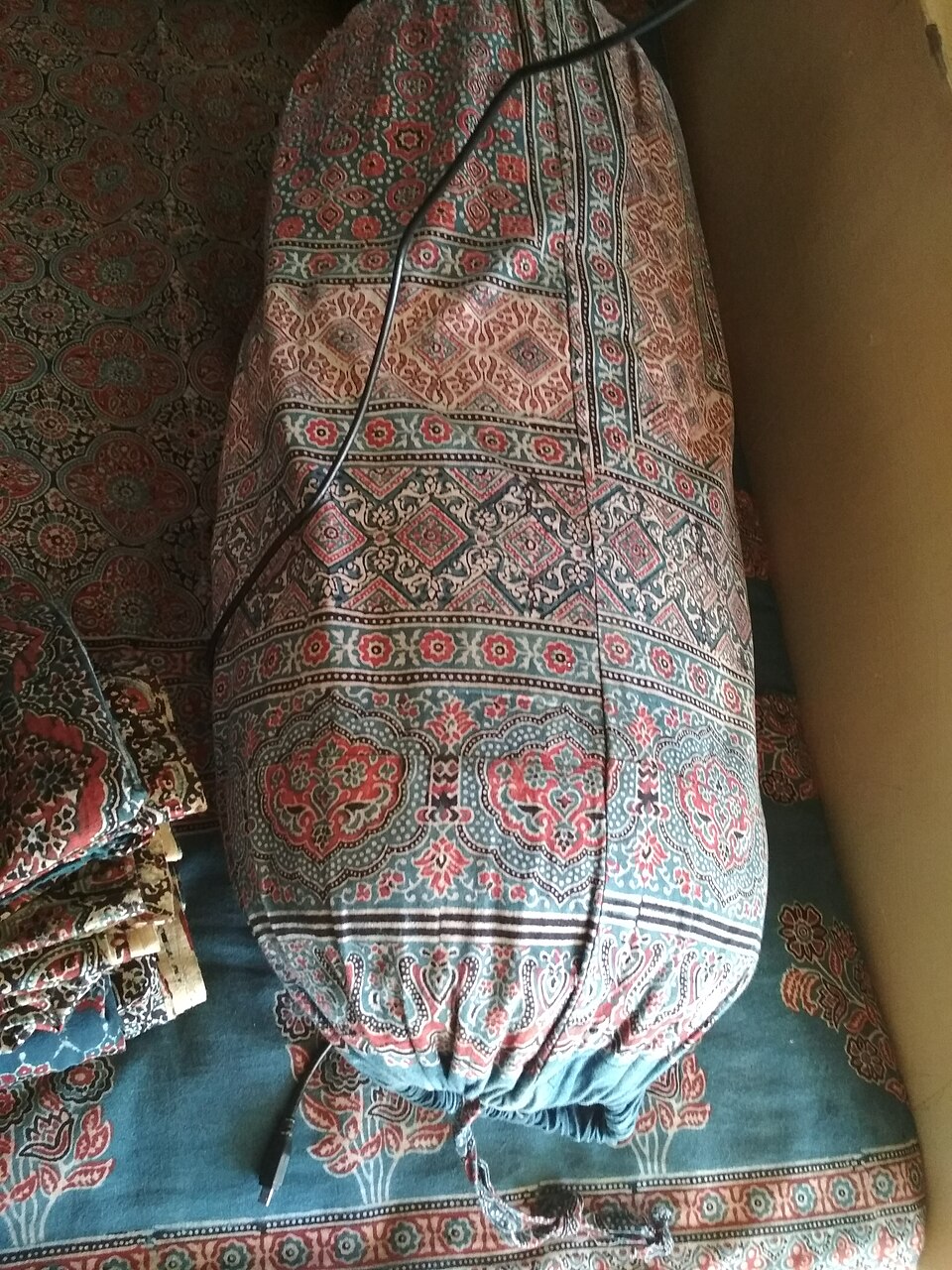
Geometric Beauty
Stars, grids, borders and floral medallions are printed with hand-carved blocks and careful registration.
Ancient resist block printing from Sindh, Kutch and western India
Ajrakh is more than a textile pattern. It is a slow, mathematical, dye-rich printing tradition where carved wooden blocks, indigo, madder, iron and patient washing create cloth with depth, rhythm and cultural memory.
What is Ajrakh?
This block print tradition is recognized for deep indigo blues, madder reds, black outlines and white resist details. Its geometry suits scarves, sarees, menswear, jackets, home textiles and contemporary slow fashion.
Stars, grids, borders and floral medallions are printed with hand-carved blocks and careful registration.
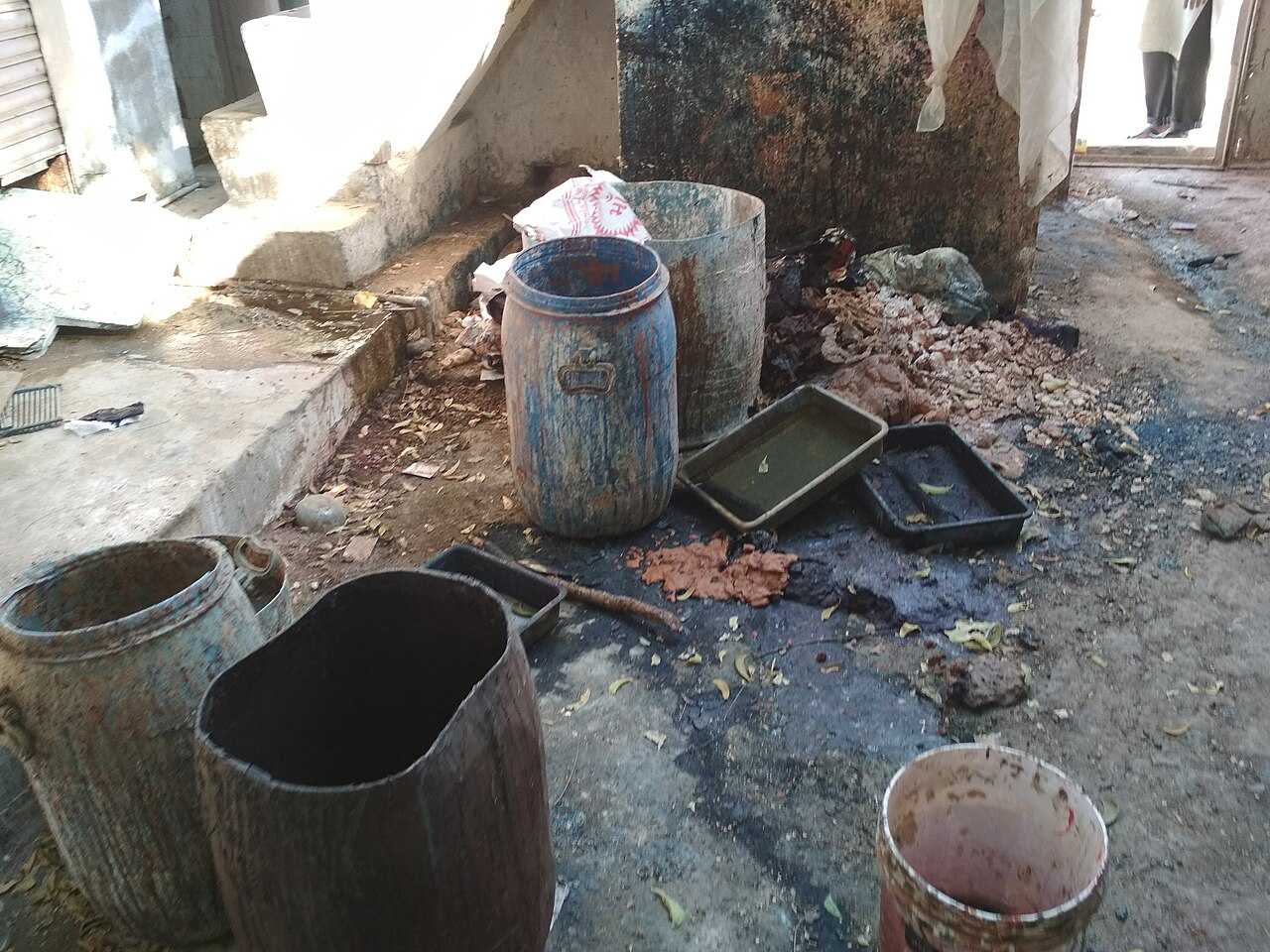
Indigo, madder, myrobalan, alum, iron and resist pastes give Ajrakh its earthy brilliance.
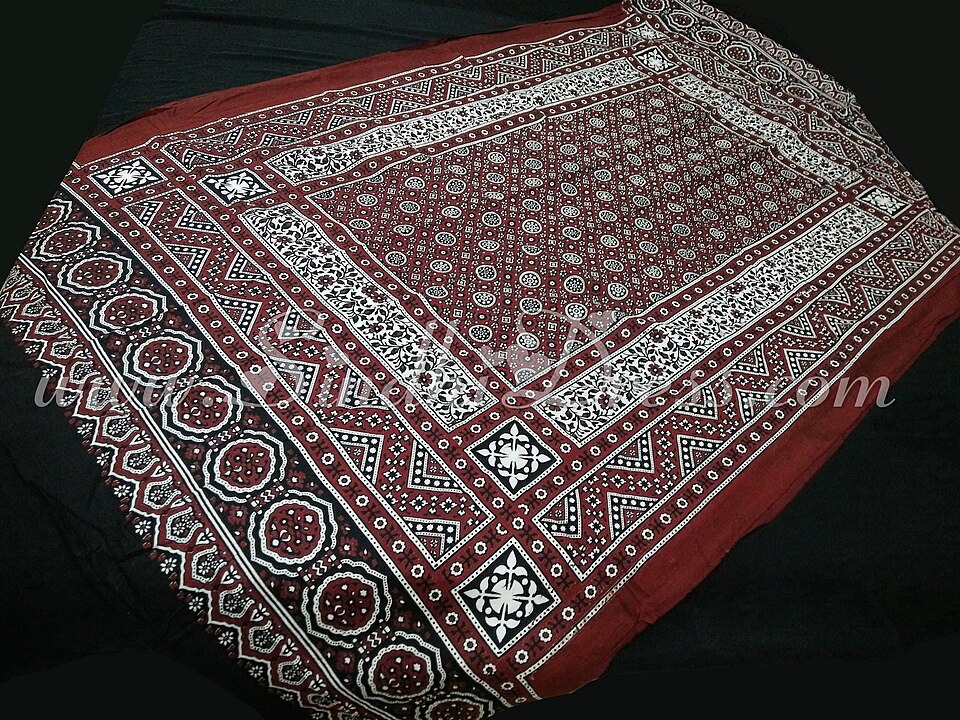
Originally worn by pastoral and regional communities, Ajrakh now moves naturally into global wardrobes.
Why it matters
Authentic Ajrakh is slow by design. The cloth is washed, mordanted, resisted, printed, dyed, dried and washed again until the print settles into the fibre. That time is what gives the textile its rich hand-feel and nuanced variations.
Explore Ajrakh.com
Use this site as a clean introduction to the craft, the making process, artisan regions, product types and practical buying cues for genuine Ajrakh textiles.
Ajrakh FAQ
Concise answers for buyers, students and search visitors looking for reliable Ajrakh information.
Ajrakh is a traditional resist and mordant block printing textile craft known for indigo blue, madder red, black outlines, white resist details and precise geometric motifs.
Ajrakh is closely associated with artisan centres in Kutch, Gujarat and western Rajasthan, with historic cultural links across the wider Indus textile region.
Handmade Ajrakh takes many stages of washing, mordanting, resist printing, dyeing, drying and finishing. The price reflects artisan skill, time, natural materials and small-batch production.
Trusted references
Curated external references help readers verify the craft history, materials, process and wider Kutch craft context behind Ajrakh.